
The vastness of our oceans, often perceived as limitless and eternal, is now a canvas painted with distressing hues of pollution and degradation. Beneath the surface, marine life struggles against the tide of human activity, suffering in silence as their habitats are destroyed and their populations dwindle. This alarming reality is not just an environmental concern; it is a reflection of our relationship with nature and a call to action that we can no longer ignore.
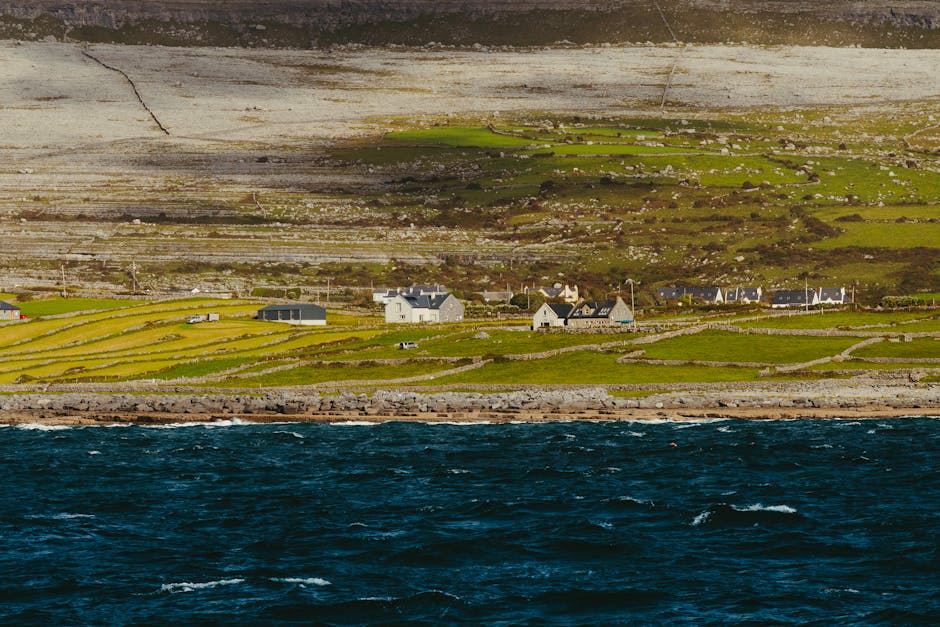
As we gaze upon the serene waves crashing against the shore, we may find it hard to imagine the turmoil that lies beneath. The ocean covers more than 70% of our planet, yet it faces unprecedented threats from plastic pollution, overfishing, and climate change. Each year, millions of tons of plastic enter our oceans, creating a toxic environment that affects not only marine life but also human health. The intricate web of life that thrives in the depths is unraveling, and with it, the delicate balance of our ecosystem is at stake.
One of the most pressing issues is the sheer volume of plastic waste accumulating in our oceans. From microplastics to discarded fishing gear, this pollution disrupts marine habitats and poses a lethal threat to wildlife. Sea turtles mistake plastic bags for jellyfish, while seabirds ingest bottle caps, leading to starvation and death. The images of these innocent creatures struggling against our negligence evoke a sense of urgency and concern, urging us to reconsider our consumption habits and waste management practices.
Overfishing compounds the crisis, leading to the depletion of fish stocks and the collapse of marine ecosystems. As demand for seafood continues to rise, unsustainable fishing practices threaten not only the species being targeted but also the entire food chain. The loss of keystone species can have cascading effects, resulting in the decline of other marine populations and altering the habitats they depend on. This situation requires immediate attention and responsible stewardship to ensure the longevity of our oceans and the livelihoods of communities that depend on them.
Climate change, too, casts a long shadow over our oceans. Rising temperatures lead to coral bleaching, threatening the vibrant underwater ecosystems that provide shelter and sustenance to countless marine species. Additionally, ocean acidification, a direct consequence of increased carbon dioxide levels, disrupts the ability of shellfish and other organisms to build their shells, further destabilizing marine life. The hope for a healthy ocean lies in our ability to mitigate these changes through collective action and policy changes aimed at reducing greenhouse gas emissions.
In conclusion, the plight of our oceans is a stark reminder of the interconnectedness of all life on Earth. As we confront the challenges of pollution, overfishing, and climate change, we must also embrace the hope that comes from awareness and action. By making conscious choices and advocating for sustainable practices, we can help restore the health of our oceans and protect the precious marine life that calls them home. The time for change is now, and each of us has a role to play in this vital mission. Together, we can ensure that future generations inherit a thriving ocean, rich in biodiversity and resilience.